
Ramadan is one of the most commercially, culturally, and emotionally significant moments of the year and yet many global brands still overlook it or treat it as a niche activation.
Here’s why that’s a miss.
Consumer behaviour shifts during Ramadan, and so does spend.
Across MENA and global diaspora communities, Ramadan triggers a noticeable change in how people shop, plan, and pay attention. This shift creates a commercial window that many brands underestimate.
Household spending increases, especially across categories like:
• Food & grocery (iftar/suhoor planning, meal prep, hosting)
• Quick-commerce & delivery apps (last-minute needs rise dramatically)
• Travel (Eid flights, family visits, domestic short breaks)
• Gifting (fashion, beauty, fragrances, homeware)
• Finance (remittances, savings products, charitable giving)
• Retail & ecommerce (Eid promotions, family purchases, seasonal offers)
But it’s also how people consume media during Ramadan that changes the marketing opportunity.
Purchase windows shift.
Daily rhythms look completely different. People wake earlier, stay up later, and spend more time at home in the evenings. Evening screens go up as families gather, browse, shop, and unwind.
Mid-day attention looks different: The middle of the day becomes quieter and often more focused on routine tasks. Commutes, work breaks, food prep, chores, or moments of pause. This is where audio thrives. People choose content they can control and fit around fluctuating energy levels and schedules.
Why this matters for advertisers:
Ramadan isn’t a single “big moment.” It’s a month-long behavioural shift where attention and intention remain high. But distributed differently throughout the day. Brands that map their presence to these rhythms don’t just “show up,” they show up when people are most receptive.
This is where audio becomes a strategic unlock:
• It fits into early-morning routines.
• It travels with listeners through the workday.
• It fills the gaps between iftar prep, evening plans, and late-night browsing.
• It reaches people during moments where visual media drops off, but attention doesn’t.
The brands that align to this flow outperform those that treat Ramadan like a simple seasonal promo.
Audio listening increases during Ramadan, while radio drops
Our research into Ramadan listening habits reveals a clear and consistent pattern: during the Holy Month, digital audio sees a strong uplift, while traditional terrestrial radio declines.
What the data shows
• Podcasts see a 22% uplift in overall consumption during Ramadan compared to non-Ramadan periods.
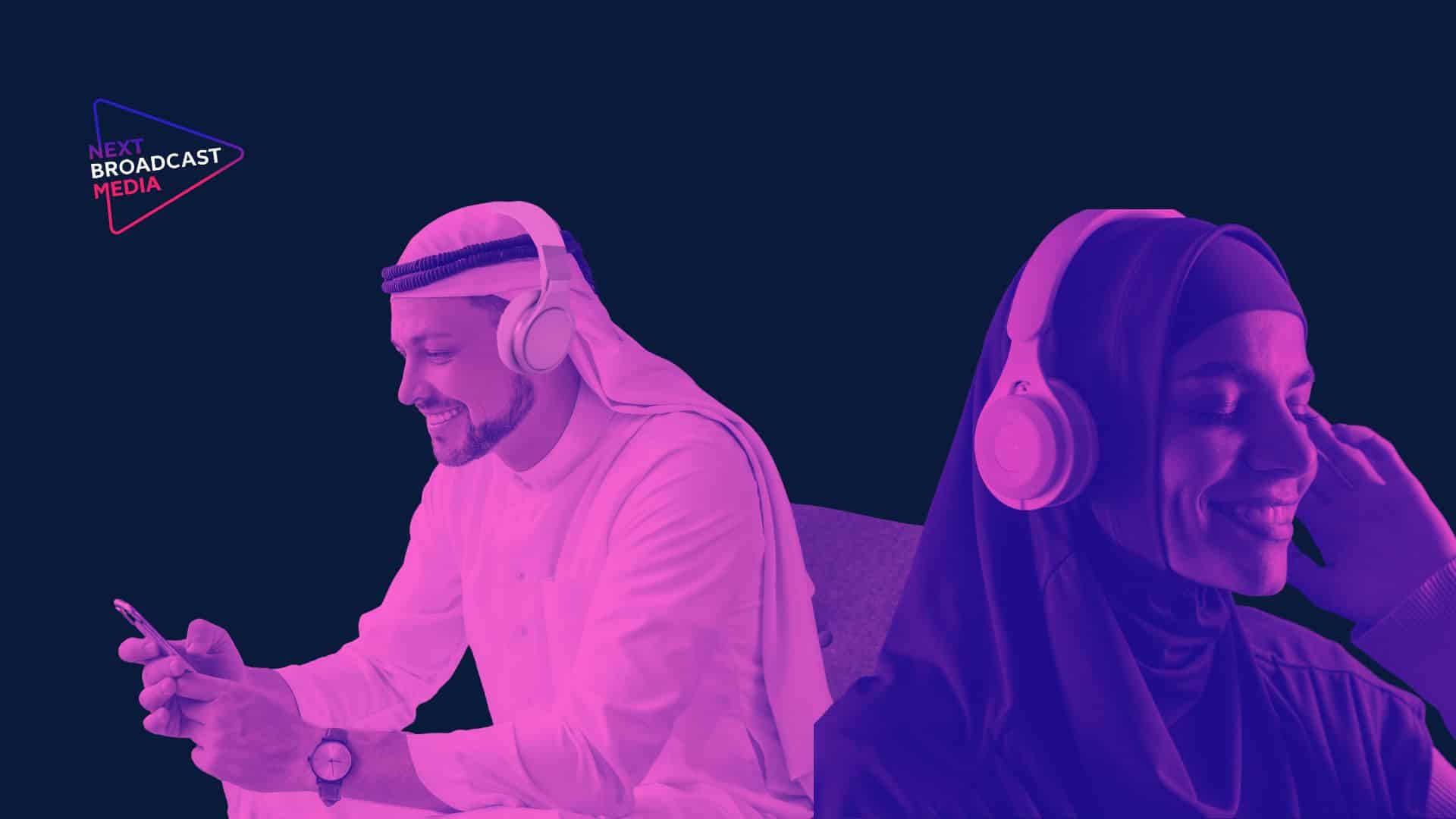
• Among younger listeners (Gen Z and Millennials) 45% of regular podcast consumers report listening the same or more during Ramadan.
• About 30% of Gen Z and Millennial listeners, say they will listen to podcasts “all day long” during Ramadan, with 28% dedicating time after iftar specifically for audio content.
• In contrast, commercial FM radio take a back seat: a majority (76%) report stopping music consumption altogether during Ramadan, and among those who continue streaming, digital audio is far more common than FM radio.
Listeners want control over what they consume. This control becomes especially important when energy levels and daily rhythms change. Radio loses its edge because of its fixed schedule and linear programming. In our survey, many respondents reported substituting radio with on-demand audio or streaming because they valued flexibility more.
What this means for brands
During Ramadan, audio isn’t just an alternative channel, it becomes the go-to medium. For marketers planning campaigns around Ramadan or targeting Muslim audiences globally, this trend matters:
• Greater reach & engagement: Podcast and streaming platforms become sticky throughout the day, capturing attention at times when traditional radio or other media may falter.
• Higher receptiveness: As people adjust routines and seek control, they’re more open to on-demand, personal, relevant content. Ads delivered via podcast or digital audio carry more chance to be heard, remembered, and acted on.
• Better targeting & flexibility: Digital audio offers better targeting (language, region, demographic) and flexible deployment, crucial when dealing with diaspora audiences across geographies and time-zones.
• Cost and efficiency benefits: Compared to traditional radio buys (especially in high-season months) programmatic or host-read audio ads can be more agile, trackable, and easier to align with shifts in listening habits.
Bottom line for 2026:
Ramadan is a high-intent, high-attention cultural moment.
If your brand wants to connect meaningfully — in MENA or with global diaspora — audio is one of the smartest ways to show up.
Ramadan isn’t just a MENA moment. Global diaspora communities — Middle Eastern, South Asian, North African, Southeast Asian — experience Ramadan deeply, wherever they live. With Next Broadcast Media you can:
• Target Egypt, UAE, KSA, Qatar, Jordan, Morocco and more
• Reach diaspora communities in US, Canada, UK, Europe
• Use language, dialect, and cultural context to personalise messaging
• Activate programmatic, host-read, dynamic, and sponsorship formats